



As the global economy shifts towards decarbonization, the demand for critical minerals (CMs), essential to low-carbon energy technologies, continues to rise. Yet, CM supply chains remain exposed to serious risks, including geopolitical tensions, resource depletion, and environmental disruptions. This review provides a novel, multidimensional synthesis of CM supply chain resilience by reviewing 327 peer-reviewed studies through a systematic PRISMA framework, enhanced with large language models (LLMs). The review focuses on potential disruptions and mitigation strategies across the entire CM supply chain, from mining and processing ores (upstream), through product manufacturing (midstream), to end-use sectors (downstream).
Our analysis reveals four key insights which are poorly addressed in the literature. First, an imbalance is revealed in the literature, where resilience strategies mainly target upstream disruptions, such as geopolitical location of facilities and processing constraints, while midstream and downstream vulnerabilities remain underexplored, including demand volatility, refining and manufacturing bottlenecks, and logistical fragilities.
Second, a significant underrepresentation of technological innovations is identified, such as advanced mining equipment and process routes, across exploration, mining, and refining, despite their proven capacity to mitigate structural supply constraints and reduce environmental risk.
Third, circular economy concepts, such as recycling and recovery, while widely promoted as mitigation strategies, face systemic and technical barriers that compromise their effectiveness and deployment in practice.
Fourth, a critical conceptual gap is uncovered, showing that few studies systematically apply classical risk theory to link hazards, exposure, and vulnerability, limiting the predictive and operational value of current resilience assessments. By addressing these strategic blind spots, our review reframes CM resilience as a system-level challenge that requires integrated innovation, targeted policy, and cross-stage coordination over the entire value chain. It equips decision-makers with actionable insights to anticipate, absorb, and adapt to future disruptions, ensuring that critical mineral supply chains remain resilient in the face of mounting pressure from global energy transitions.
Click here to read the full paper by Mehrnoosh Heydari, Philip Mitchell, Luke Cullen, Baptiste Andrieu, André Cabrera Serrenho and Jonathan Cullen.
Photo by Paul-Alain Hunt on Unsplash
In early July 2025, I joined my colleagues on a trip to Singapore and Vietnam, a journey filled with insightful discussions, collaboration, and shared learning on sustainability, critical minerals, and industrial ecology.
ISIE 2025 – Advancing Industrial Ecology for a Sustainable Future
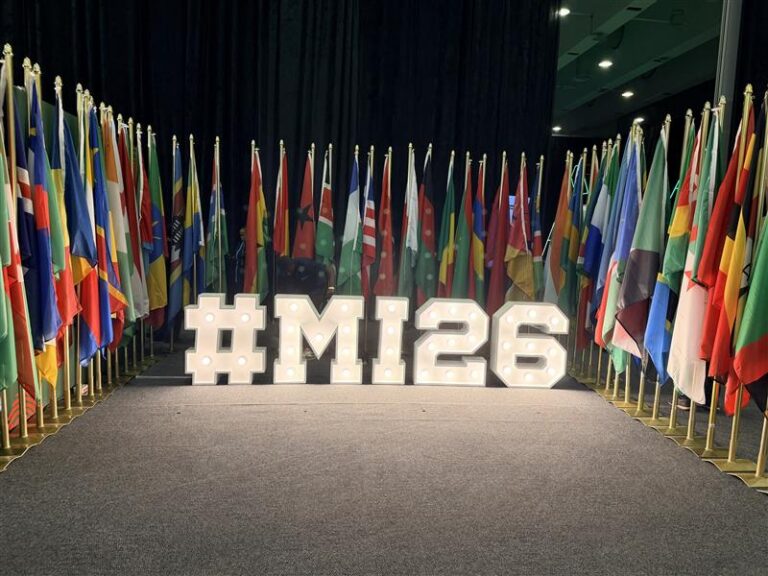
The journey began in Singapore, where I attended the International Society for Industrial Ecology (ISIE) 2025 Conference, hosted by the National University of Singapore (NUS). The ISIE conference is one of the world’s leading platforms for researchers and practitioners advancing the science and practice of sustainable industrial systems.
Over several days, the sessions covered an impressive range of topics, from circular economy transitions, resilient supply chains, and material flow analysis, to energy systems modelling and machine learning applications in sustainability.


It was inspiring to listen to global experts discussing how industrial ecology can inform real-world decisions. I particularly enjoyed sessions that connected critical minerals and resilience thinking, themes closely related to my research.
During the poster session, I presented my work titled “Critical Minerals: Critical for Whom?”, which explores the governance, resilience, and stakeholders’ dimensions of critical mineral supply chains. The feedback and conversations that followed were incredibly enriching, highlighting the growing recognition of social and environmental dimensions in discussions about resource security.

We also took some time to explore the city, visiting Singapore’s iconic landmarks, experiencing its remarkable urban nature, tasting authentic local cuisine, and engaging in insightful conversations about the region’s approach to technological sustainability.


Vietnam – Building Partnerships for Climate Compatible Growth
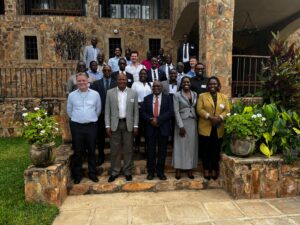
Following the conference, I travelled to Vietnam as part of the Climate Compatible Growth (CCG) programme. Together with colleagues from the University of Cambridge, we met with national partners and key stakeholders to discuss the potential for future collaborations.
The meetings brought together representatives from government agencies, research institutes, and industry partners to explore how data-driven analysis can support low-carbon planning and resource-efficient growth. We discussed our ongoing work with the goal of supporting circular economy in Vietnam for sustainable development.


The exchanges were highly constructive, reinforcing the importance of interdisciplinary collaboration in addressing material intensity and CE in developing economies. Our Vietnamese partners shared valuable insights on national priorities and data availability, which will help refine our modelling framework and ensure local relevance.
Beyond the formal discussions, the visit was also an opportunity to strengthen professional relationships and enjoy Vietnam’s warm hospitality and vibrant culture. Shared meals, informal conversations, and mutual curiosity created a wonderful sense of connection and common purpose.
Exploring Vietnam’s Nature and Culture
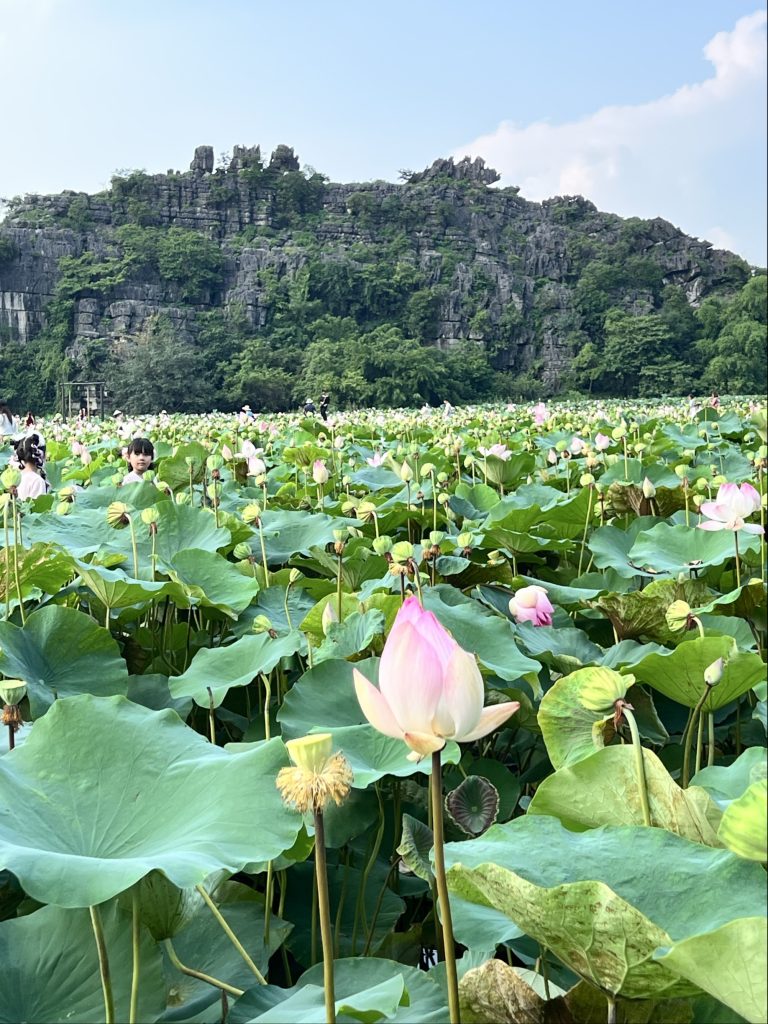
After the meetings, we took some time to explore Vietnam’s rich natural and cultural heritage. The lush landscapes, intricate temples, and lively markets offered a glimpse into the country’s deep-rooted traditions and rapid modern transformation. From peaceful lakesides to the flavourful local cuisine, every experience reflected the balance between heritage and progress, a theme that resonates deeply with our work on sustainable transitions.


Looking Ahead
This trip was a powerful reminder of how collaboration across borders and disciplines drives innovation and real impact. The insights gathered from both ISIE 2025, and the CCG Vietnam meetings will directly contribute to our ongoing work on resilience in critical mineral supply chains and sustainable material transitions.
I’m deeply grateful to all colleagues, organisers, and partners in Singapore and Vietnam for making this journey so memorable and productive.
With industrialization, economic growth, and increasing demand for minerals, mining raw materials from deep and low-grade deposits is increasing, highlighting the need to evaluate the environmental impacts of these mines. This study aims to provide a comprehensive sustainability assessment (SA) model for deep and large-scale open pit mines (DLSOP). The proposed model evaluates a total of 44 environmental factors in 11 groups. Z-numbers plus Delphi Fuzzy Analytical Hierarchy Process (ZFDAHP) and scenarios, evaluate DLSOP mine conditions with minimal uncertainty. Since the mining impacts spread over time (short-, medium-, and long-term) and space (local, regional, national, and global), the spatiotemporal scale (ST) of factors is used to calculate the dynamic sustainability score.
This model considers the impact of the mine’s depth and scale on the intensity of the positive and negative environmental impacts of mining and provides a final sustainability score on a scale of 0-10. Verification was done in Sungun Copper Mine (SCM) in northwest Iran to show the effectiveness of the proposed model. Waste, water, and climate change with 23.9%, 16.5%, and 15.6% importance weight, respectively, accounted for the greatest environmental impact in DLSOP mines. The static and dynamic environmental sustainability scores for SCM were 3.110 and 3.200 out of 10, respectively, showing that SCM should pay more attention to its activities towards environmental sustainability. The combined technique of this model increases the reliability and accuracy of previous models in DLSOP mines by considering a wide range of impact factors and taking into account the ST scale of impacts.
Click here to read the full paper by Mehrnoosh Heydari and Morteza Osanloo.
Image: shells1/E+ via Getty Images via S & P Global.
Where are you from and what was your journey to Cambridge?
I am Mehrnoosh, originally from Tehran, Iran. My academic journey began with a bachelor’s degree in mining engineering from Amirkabir University of Technology (Tehran Polytechnics), followed by a master’s degree from the University of Tehran, and then a PhD back at Amirkabir University. During my studies, I developed a deep concern for the environmental impacts of mining activities and their balance with the positive social and economic benefits of mining. This led me to focus my PhD dissertation on creating a comprehensive environmental impact assessment model for deep and large-scale open-pit mines. In the final months of my PhD, I came across a job advertisement for a postdoctoral research associate position at the University of Cambridge, UK, working on climate change issues related to critical minerals and their supply chains. Given my background and interests, I applied for the position and was fortunate enough to be accepted. This is how I joined the Refficiency group at Cambridge.
What are you working on?
I am currently working on various aspects of the Climate Compatible Growth (CCG) program. My research focuses on the critical minerals supply chain, aiming to enhance value gains from mineral processing in developing countries while addressing climate change challenges.
What does a typical day look like for you?
A typical day for me involves a mix of research activities, including data analysis, model development, and collaboration with colleagues. I spend a significant amount of time reading the latest research, writing papers, and meeting with team members to discuss progress and brainstorm solutions.
What excites you most about your research?
What excites me the most is the potential to contribute to cleaner production and a greener world with reduced carbon emissions. I am passionate about finding ways to make the mining sector more productive and sustainable, and it is incredibly fulfilling to think that my work can have a positive impact on reducing emissions.
What do you like most about Cambridge?
I really enjoy the positive atmosphere within the team here at Cambridge. The collaborative environment, combined with the rich academic heritage of the university, provides a stimulating and supportive setting for research. The city itself is also beautiful, with its historic architecture and vibrant community, making it a wonderful place to live and work.