




CCG workshop on Critical Minerals held in Malawi
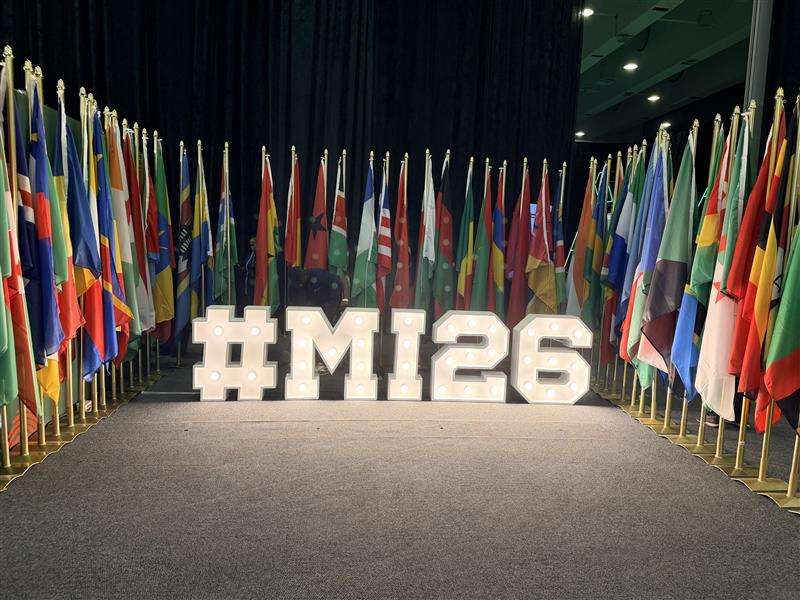
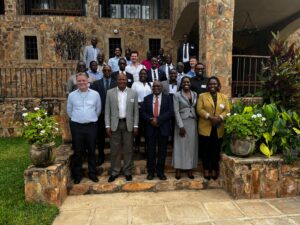
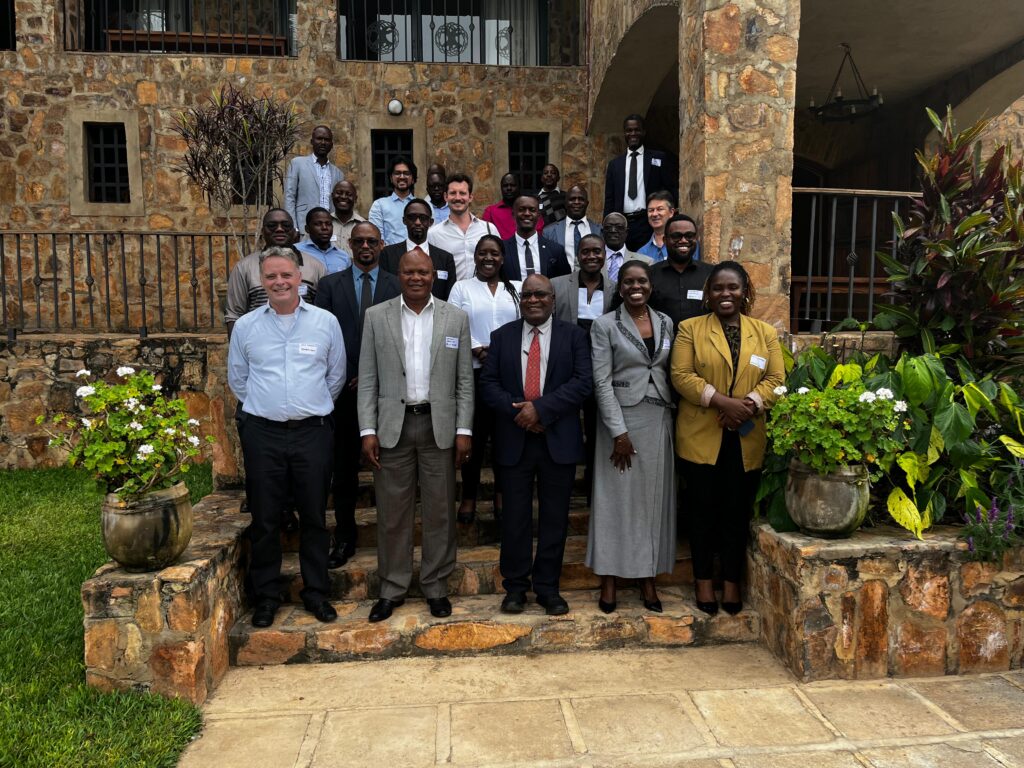
In March 2026, members of the Climate Compatible Growth (CCG) programme, Dr Sam Stephenson, Professor Jonathan Cullen and Dr Luc Le Lay (University of Cambridge), Raj Bhavsar (Imperial College London) and Dr Lara Allen and Dr Chinagorom Ajike (the Centre for Global Equality) travelled to Lilongwe, Malawi to host a workshop with stakeholders from across the country’s mining sector. The event brought together government officials, researchers, civil society organisations and industry representatives to discuss how the growing global demand for critical minerals can support economic development in Malawi.
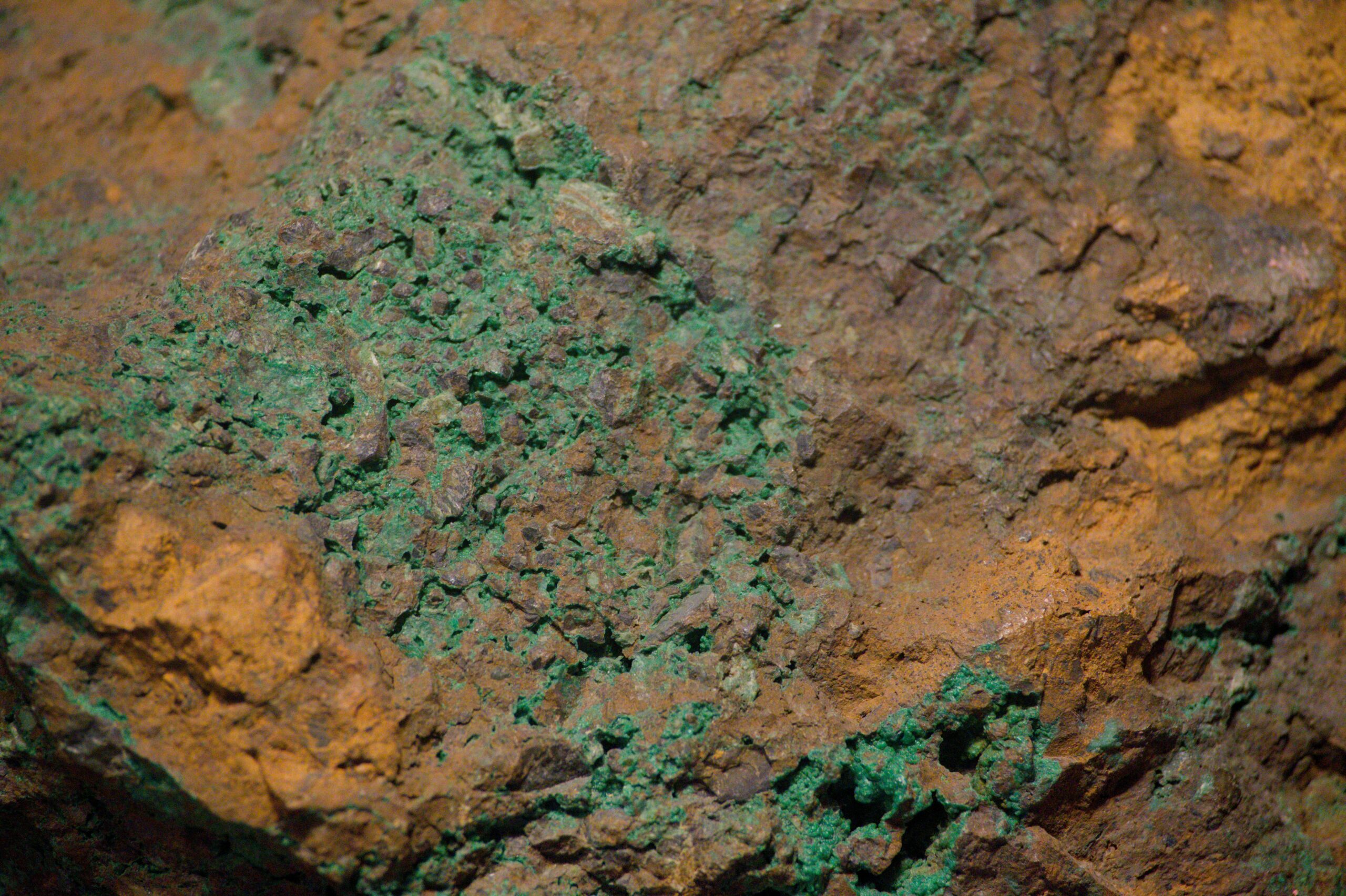
Demand for minerals such as graphite, rare earth elements and niobium is increasing rapidly as countries transition to low carbon technologies. Malawi holds significant geological potential for several of these minerals, placing the country in a unique position to benefit from the global energy transition if development is managed effectively.
The workshop built on insights gathered during our previous visit to Malawi. It began by presenting key findings from earlier research on the country’s mining sector and inviting participants to reflect on whether these conclusions resonated with their experience. Previous work highlighted several important challenges, including infrastructure constraints, governance capacity, and the need for clearer long-term planning for the sector.
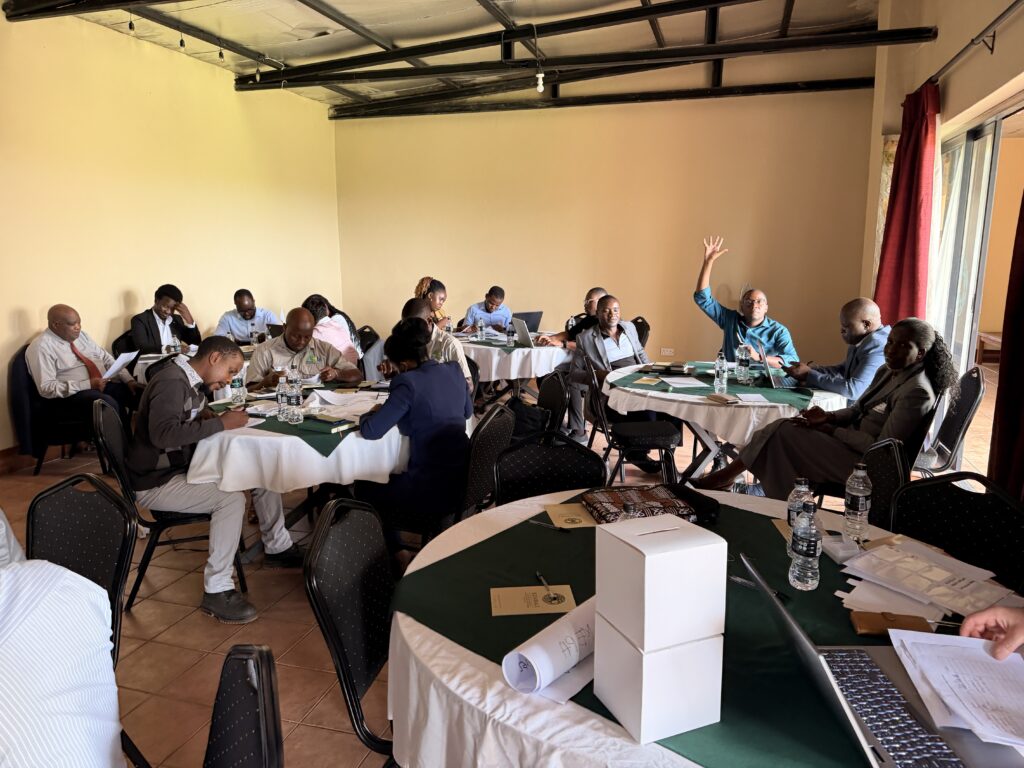
The workshop then moved into a series of interactive sessions designed to encourage discussion and knowledge sharing. One session focused on institutional analysis and actor mapping, where participants worked together to identify the organisations involved in governing the mining sector and to explore how influence and coordination currently function. This exercise helped highlight both strengths within the system and areas where institutional overlaps or gaps may create barriers to effective governance.
In the afternoon, discussion turned to the longer-term future of Malawi’s mineral sector. Participants explored what a national critical minerals strategy might look like and what objectives such a strategy should prioritise. The conversation emphasised that Malawi has a rare opportunity to shape the development of its mineral resources before large-scale extraction expands. Strategic planning now could help ensure that mining supports broader economic development, while avoiding some of the challenges seen in other resource-rich countries.
The visit also included several important meetings outside the workshop itself. Prior to the event, the CCG team met with representatives from the British High Commission in Lilongwe to discuss ongoing collaboration and the potential role of UK-supported research in strengthening Malawi’s mining governance. A representative from the High Commission also attended the workshop, reflecting the strong interest in supporting responsible mineral development in the country.
The CCG team also held a productive meeting with colleagues at the Malawi University of Science and Technology (MUST), where discussions focused on future research collaboration. In particular, we explored how CCG expertise could support the development of a new master’s level course on earth resource governance, helping build local capacity in managing mineral resources.
Together, these conversations reinforced the importance of collaborative research and policy engagement as Malawi considers how to develop its mineral sector. As global demand for critical minerals grows, partnerships between governments, universities and international research programmes will be key to ensuring that mineral development supports sustainable and equitable economic growth.